Table Of Contents
Boujad Rugs
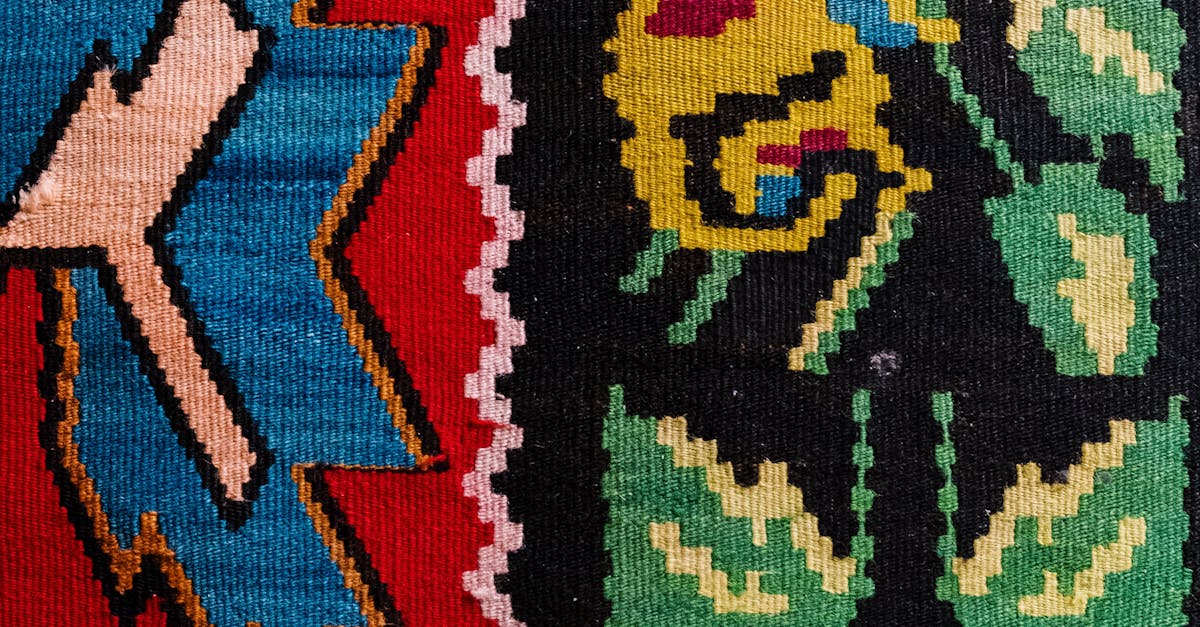
Characterized by their vibrant colors and intricate designs, Boujad rugs are a striking reflection of Moroccan craftsmanship. Originating from the region of Boujad, these rugs often showcase bold patterns inspired by the natural environment and cultural motifs. Artisans skillfully blend various hues, creating a rich tapestry that captures the eye. Each piece tends to be unique, with designs that tell stories of the weaver’s life and surroundings.
The use of symbolism in Boujad rugs is particularly significant. Geometric patterns and abstract forms often serve to convey deeper meanings, drawing from Berber traditions and lore. Weavers incorporate elements that resonate with their personal experiences and community heritage. This results in pieces that not only function as decorative items but also serve as cultural artifacts, preserving the essence of the region's history and stories through textiles.
Find out further details by clicking here.
The Use of Color and Symbolism in Boujad Designs
Rich colors and intricate patterns characterize Boujad rugs, showcasing the vibrant spirit of Moroccan culture. The use of color serves not only an aesthetic purpose but also a symbolic one. Reds, oranges, and deep blues reflect the landscape and vibrancy of life in the Boujad region. Each hue holds significance, representing elements such as fertility, protection, or the natural surroundings. Artisans intentionally select these colors to convey messages or tell stories through their work, deeply rooting each piece in cultural heritage.
The symbolism in Boujad designs often draws from the daily life and beliefs of the Berber tribes. Geometric shapes and abstract motifs are common, each carefully chosen for its meaning. Spirals may signify eternity, while linear designs can represent the paths of life. This thoughtful incorporation of symbols allows each rug to serve as a narrative piece, encapsulating the history and values of the weaver's ancestral lineage. As such, Boujad rugs function as more than mere decorative items; they embody a rich tapestry of cultural expression and personal storytelling.
Taznakht Rugs
Taznakht rugs are renowned for their intricate designs and high-quality craftsmanship. Originating from the Taznakht region in southeastern Morocco, these pieces often showcase geometric patterns and vibrant colors. The weavers employ traditional methods that have been passed down through generations, ensuring that each rug tells a unique story. The use of natural dyes, derived from local plants and minerals, enhances the depth and richness of the colors, contributing to the aesthetic appeal of these textiles.
The artistry involved in Taznakht weaving is evident in the meticulous attention to detail. Each rug is created with a sense of purpose, incorporating symbols and motifs that reflect the cultural heritage of the Berber people. Many designs have specific meanings tied to fertility, protection, and home. This connection to identity and history adds an emotional layer to the craftsmanship, making Taznakht rugs not just functional items but also valuable pieces of art that resonate with both personal and communal narratives.
The Artistry Behind Taznakht Weaving
Taznakht rugs, renowned for their intricate designs, showcase the skill and creativity of Berber artisans. Each piece reflects a meticulous process that often begins with selecting high-quality wool, known for its durability and softness. Artisans employ traditional weaving techniques passed down through generations. The use of natural dyes derived from plants and minerals not only preserves the cultural heritage but also imbues the rugs with vibrant colors that tell a story.
The weaving process in Taznakht is a labor of love that often extends over several months. Artisans typically work in small, family-run workshops, fostering a sense of community and collaboration. Patterns commonly feature geometric shapes and traditional motifs, representing the beliefs and experiences of the weavers. This artistry goes beyond mere decoration, weaving historical narratives and personal identities into each rug, making them unique cultural artifacts.
Tribal Vs. Urban Designs
Moroccan rugs encapsulate a vibrant tapestry of influences, reflecting the nuanced interplay between tribal and urban design aesthetics. Tribal designs often embrace traditional motifs and patterns that carry deep cultural significance. Geometric shapes and earthy tones dominate these creations, telling stories of the weaver's heritage and the landscape from which they originate. The materials used, predominantly wool from local sheep, contribute to the rugged and authentic quality of these textiles.
Urban designs showcase a shift towards modernity, merging traditional techniques with contemporary aesthetics. Here, bold colors and innovative patterns emerge, appealing to a broader market. The integration of new materials and approaches allows artisans to experiment, creating pieces that resonate with current design trends while still honoring their origins. This blend of old and new enriches the tapestry of Moroccan rugs, highlighting the dynamic nature of the craft.
How Design Techniques Reflect Geographic Diversity
Geographic diversity in Morocco has a profound impact on the design techniques used in rug making. Each region boasts unique cultural influences, climate, and materials that shape local craftsmanship. For instance, the vibrant hues found in Boujad rugs often reflect the surrounding landscape, incorporating earthy tones inspired by the local terrain. In contrast, Taznakht rugs frequently showcase more subdued colors, highlighting the natural dyes derived from plants and minerals available in the Anti-Atlas region.
Moreover, the symbolism embedded in the designs often tells stories unique to specific tribes or communities. Patterns in tribal rugs usually draw from ancestral rituals and folklore, while urban designs may incorporate more contemporary elements that resonate with modern life. This distinction not only enhances the aesthetic appeal of the rugs but also serves as a visual narrative of the diverse Moroccan landscape and its rich cultural tapestry.
FAQS
What are Boujad rugs known for?
Boujad rugs are known for their vibrant colors and intricate patterns that often reflect the cultural narratives and traditions of the Boujad region in Morocco.
How does color play a role in Boujad rug designs?
Color in Boujad rug designs is not only aesthetic but also symbolic, often representing various emotions, cultural beliefs, and personal stories of the weavers.
What distinguishes Taznakht rugs from other Moroccan rugs?
Taznakht rugs are distinguished by their unique artistry and craftsmanship, featuring intricate geometric patterns and a heavier texture, often created using high-quality wool.
What is the significance of geographic diversity in Moroccan rug designs?
Geographic diversity influences design techniques, as different regions in Morocco have distinct materials, weaving styles, and cultural motifs that reflect their local heritage and environment.
How can I identify tribal versus urban Moroccan rug designs?
Tribal designs often showcase traditional patterns and earthy colors, reflecting the nomadic lifestyle, while urban designs tend to incorporate more contemporary styles and vibrant colors, influenced by modern aesthetics.