Table Of Contents
Key Takeaways
- Overview of Moroccan Carpets and Their Significance
- Crafting Your Personalized Moroccan Carpet
- The Process of Weaving Moroccan Carpets
- Necessary Supplies for Rug Creation
- Detailed Instructions for Making a Moroccan Carpet
- Maintenance Tips for Your Moroccan Carpet
- Discovering Various Styles of Moroccan Carpets
Design Your Own Moroccan Rug: A Step-by-Step Guide | Understanding Moroccan Rugs
Understanding the rich tapestry of Moroccan rugs is essential for anyone eager to create their own masterpiece. The diverse styles, such as traditional Berber rugs and contemporary creations, reflect a deep cultural heritage that is as meaningful as the artistry involved in rug making. A detailed exploration of these rugs reveals the intricacies of each design, from the geometric patterns often found in kilim rugs to the earthy tones and textures present in vintage or antique rugs. Embracing the essence of Moroccan-style designs while also considering elements from other styles, like Scandinavian rugs, can inspire a unique vision. As you embark on this journey to design your own Moroccan rug, gaining an appreciation for its history and characteristics will inform your creative process and enhance the personal touch of your project.
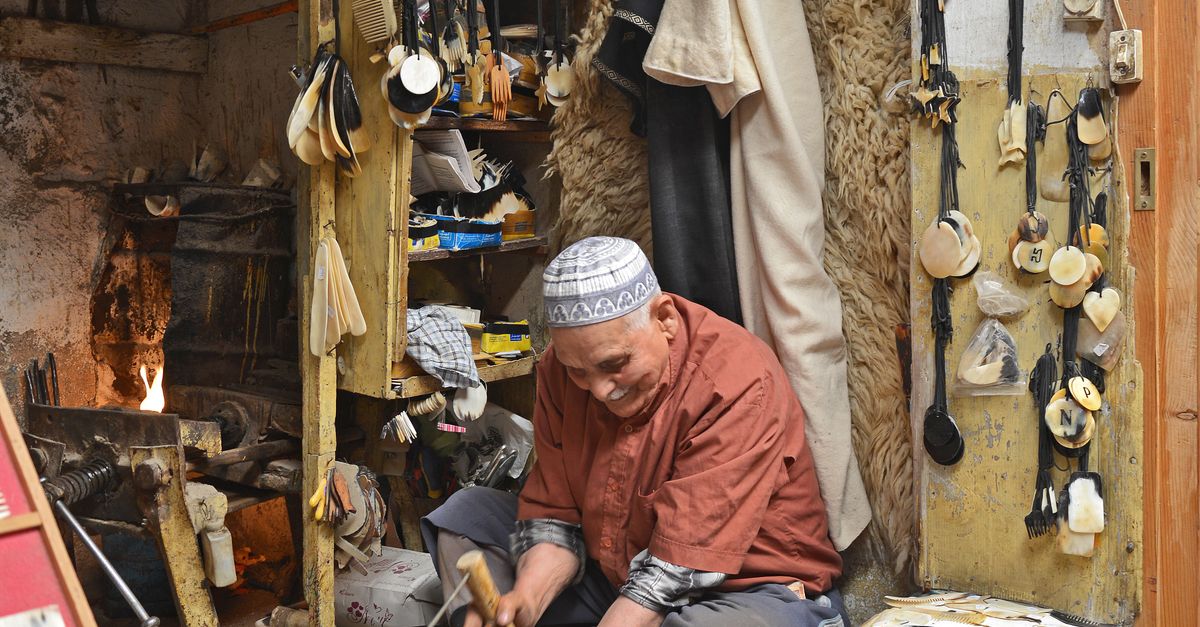
 Photo by Moussa Idrissi on Pexels
Design Your Own Moroccan Rug: A Step-by-Step Guide | Overview of Moroccan Rug Styles
Moroccan rugs are celebrated for their unique styles, deeply rooted in the diverse cultures of Morocco. Each design tells a story, reflecting the rich heritage and artistry of Moroccan craftsmanship. Ranging from classic pile rugs to modern shag carpets, these rugs offer both aesthetic appeal and functional warmth. Whether you're inspired by traditional motifs or contemporary aesthetics, the options available allow for a personalized approach to rug weaving. This makes it an exciting endeavor to design your own Moroccan rug.
The vibrant patterns and colors found in Moroccan rugs play a significant role in their charm. From geometric designs to organic shapes, each style embodies a different aspect of Moroccan culture, making it essential to understand these influences while considering your custom creation. A pile rug can evoke a sense of history, while a shag carpet might bring a modern twist to your space. With the right guidance, you can successfully navigate this landscape and create a carpet that not only beautifies your home but also pays homage to the rich traditions of Moroccan rug artistry.
Key Features of Moroccan Style Rugs
Moroccan style rugs are deeply rooted in Berber culture, showcasing intricate design patterns that reflect the uniqueness of this vibrant heritage. These rugs often feature bold colors and geometric shapes, making them a perfect choice for innovative interior design. By following the Design Your Own Moroccan Rug: A Step-by-Step Guide, you can explore how to incorporate crocheted elements into your own creations, adding texture and depth to the overall aesthetic. The use of high-quality fabrics enhances durability, ensuring these rugs are as functional as they are beautiful.
Another key aspect of Moroccan rugs is their ability to blend tradition with modernity. Berber designs emphasize craftsmanship, and each piece tells a story through its patterns and colors. By selecting specific design patterns, you can create a personalized touch that honors the rich history of Berbers while infusing your own style. The Design Your Own Moroccan Rug: A Step-by-Step Guide serves as a valuable resource for anyone interested in this art form, allowing you to choose the right fabrics and techniques to bring your vision to life.
Designing Your Own Moroccan Rug
Creating a unique piece for your home involves understanding the diverse styles that Moroccan rugs offer. This guide highlights the journey to Design Your Own Moroccan Rug: A Step-by-Step Guide, where your vision meets vibrant decor. Moroccan textiles often showcase intricate patterns reminiscent of saddle blankets, combining traditional techniques with modern aesthetics. Emphasizing the allure of yarn and fabric selection, you'll notice how each choice influences the overall vibe of your flooring. Interior designers frequently draw inspiration from these unique floor coverings, blending them seamlessly into both contemporary and traditional settings. Explore how different designs, from Berber to Persian, can transform your space while reflecting your personal taste.
Defining Your Vision for a Custom Rug
Creating a custom Moroccan rug begins with a clear vision that reflects your personal style and complements your home decor. Within the framework of the "Design Your Own Moroccan Rug: A Step-by-Step Guide," consider how the rug will interact with your furniture and other elements of the space. A well-crafted design language will ensure that your woven textile enhances the overall aesthetic of the floor. Think about the colors, textures, and patterns that resonate with you, as these choices will play a pivotal role in the final outcome.
The selection of yarns and crochet techniques is crucial in defining your vision. Each choice can significantly alter the rug's appearance and feel, impacting both its functionality and emotional resonance within your home. As you explore various weaving methods, envision how your custom creation will become a focal point in your living space, adding warmth and character. The combination of thoughtful design and skillful execution will ultimately bring your unique piece of art to life, making it a cherished addition to your home decor.
Choosing Colors and Patterns
Choosing the right colors and patterns is crucial to the success of your project as you embark on the journey to design your own Moroccan rug: a step-by-step guide. Moroccan-style rugs are renowned for their vibrant hues and intricate designs, which can reflect cultural heritage and personal taste. The choice of colors can define the ambiance of your space, making it essential to select shades that harmonize with your surroundings. Bold colors can energize a room, while softer tones often contribute to a calming atmosphere. Understanding the psychological impact of colors can help you create a Moroccan rug style that resonates with your aesthetic vision.
Patterns also play a significant role in defining the character of your DIY Moroccan-inspired area rug. Traditional Moroccan-style rugs often feature geometric shapes, tribal motifs, and nature-inspired designs. Each pattern carries its own meaning, and selecting one that connects with your personal narrative can elevate your rug's significance. Whether you opt for a classic Berber pattern or a contemporary twist, understanding the symbolism behind various designs will allow you to create a unique piece of art. Embrace the moroccan rug capabilities to express your individuality and reflect your style through thoughtful color and pattern choices.
The Moroccan Rug-Weaving Process
Creating a unique Moroccan rug involves understanding the intricate weaving process that defines its beauty. As you embark on the journey to design your own Moroccan rug: a step-by-step guide, you’ll discover the rich heritage behind Moroccan area rugs, including the vibrant hues found in Moroccan-style rug colors. The weaving techniques can vary significantly, particularly when exploring Moroccan kilim rugs and traditional Moroccan berber rugs, both known for their distinctive motifs. Each piece in a Moroccan rug collection tells a story, embraced by moroccan rug lovers who appreciate the blend of artistry and culture. The charm of a Moroccan boho rug lies in its ability to convey personality through patterns, making the creation process not only an artistic endeavor but also a deeply personal one.
 Photo by Moussa Idrissi on Pexels
Traditional Techniques Used in Rug Making
The artistry behind Moroccan rugs is steeped in traditional techniques passed down through generations. Moroccan rug weavers often utilize hand-spun wool, allowing for a unique texture in every piece. The process begins with a thoughtful selection of materials, including natural dyes derived from plants to ensure vibrant colors. As you embark on your journey to create a custom rug, understanding these techniques will enrich your design experience, particularly when deciding on your rug style and the intricacies of your final rug design.
Many Moroccan rugs incorporate various knotting techniques that contribute to the unique moroccan rug pile characteristic of these textiles. Knotting not only enhances the visual appeal but also affects the durability and longevity of the rug. Utilizing moroccan rug scraps in the weaving process has also become popular, allowing artisans to create stunning designs while minimizing waste. As you delve into the art of rug design, these traditional methods can inspire and inform your own rug creation, making your custom rug a true reflection of Moroccan heritage.
The Role of Moroccan Rug Scraps
In the world of rug-making, old Berber rugs play a crucial role in inspiring the creation of custom rugs. By repurposing scraps from these traditional rugs, artisans can infuse their designs with rich history and cultural significance. The process of weaving a Moroccan rug is a balance of creativity and artisanship, allowing designers to experiment with colors and textures while keeping the essence of Berber artistry alive. For those looking to create a progressive custom rug, utilizing remnants from past creations can lead to unique and luxurious results.
Scraps from previous projects serve not only as sustainable material but also as a means to add character to a desired rug. By incorporating these remnants, designers can achieve a layered look that narrates a story through its textures and patterns. This approach allows for an exciting exploration within the realm of custom rug making, encouraging a blend of traditional motifs and modern design elements. Following the "Design Your Own Moroccan Rug: A Step-by-Step Guide" ensures that the final piece stands out, reflecting both personal style and cultural heritage.
Essential Materials for Creating Your Own Rug
Creating a beautiful rug involves understanding the essential materials that contribute to the final product. This is crucial in the custom rug process as it determines the durability and aesthetic of your masterpiece. Choosing the right fabrics plays a significant role in modern rug making, whether you're aiming for a sleek modern rug or a plush shag area rug. Tools needed for rug design are equally important, as they facilitate the crafting of an exclusive custom rug that reflects your unique vision. Following the guidance from the "Design Your Own Moroccan Rug: A Step-by-Step Guide" ensures that every piece you create, from the actual rug beneath your feet to the well-maintained rugs in your home, embodies quality and character.
| Material | Type | Properties |
|---|---|---|
| Wool | Natural Fiber | Durable, soft, and excellent heat retention |
| Cotton | Natural Fiber | Soft, easy to clean, and colorfast |
| Nylon | Synthetic Fiber | Strong, stain-resistant, and long-lasting |
| Polyester | Synthetic Fiber | Soft, affordable, and resistant to fading |
| Jute | Natural Fiber | Eco-friendly, coarse texture, and biodegradable |
Selecting the Right Fabrics
Choosing the right fabrics is crucial when embarking on a journey to design your own Moroccan rug. The rug-weaving world offers a variety of materials, each contributing to the aesthetics and durability of handmade custom rugs. Wool, often used in traditional rug-hooking methods, provides warmth and resilience, making it ideal for big rugs. Cotton can lend a softer touch, perfect for modest-sized rug work, while synthetic fibers may offer cost-effective alternatives without sacrificing quality. Understanding these options empowers you to make informed decisions for your project.
The selection of fabrics also plays a significant role in achieving the desired style and function of your modern bespoke rug. Beautiful rugs often incorporate an array of colors and textures, which are influenced by the types of materials used. By choosing high-quality fibers, you ensure that your handmade custom rug not only looks appealing but also withstands the test of time. As you explore fabric choices, consider how they align with your vision outlined in the Design Your Own Moroccan Rug: A Step-by-Step Guide, ensuring a final product that is truly unique and reflective of your personal style.
Tools Needed for Rug Design
Creating a stunning area rug begins with the right tools. For anyone embarking on a DIY rug project, essential equipment includes a sturdy loom, sharp scissors, and a variety of weaving tools. These items are crucial for executing various rug techniques, whether you aim for gorgeous shag rugs or modern rugs. Having high-quality tools at your disposal can significantly impact the outcome of your new rug. As you follow the Design Your Own Moroccan Rug: A Step-by-Step Guide, make sure to gather everything necessary to turn your vision into a reality.
Selecting the right materials and tools can elevate your handmade rugs to luxury status in the rug industry. A high-quality yarn, suitable for both texture and durability, is key to achieving the visual richness of your design. Don't forget to include a measuring tape to ensure precision in your layout. As you navigate through the Design Your Own Moroccan Rug: A Step-by-Step Guide, remember that every choice contributes to the final piece, from the initial sketch to the final woven gorgeous rug.
Step-by-Step Guide to Creating a Moroccan Rug
Creating your own handmade rug is an exciting endeavor that invites creativity and personalization. Design Your Own Moroccan Rug: A Step-by-Step Guide offers an insightful approach for both beginners and seasoned crafters. For those uninitiated in the world of custom rugs, understanding the basics of rug styles can help in achieving the desired aesthetic. Whether one opts for a thick handmade rug to infuse warmth into a large room or a small area rug to accentuate a cozy corner, selecting simple rug patterns can simplify the creative process. The craftsmanship involved in making high-quality luxury rugs reflects the rich heritage of Moroccan design, setting them apart from other options like Scandinavian rugs. With careful planning and dedication, anyone can create sought-after rugs that highlight personal style and transform living spaces.
Planning Your Design Layout
Creating a layout is a crucial step in your journey to Design Your Own Moroccan Rug: A Step-by-Step Guide. Begin by sketching your rug idea on paper. This allows you to visualize how various elements will come together. Consider mixing traditional designs with contemporary influences, as seen in ourain rugs. Taking inspiration from Scandinavian rug options can lead to a unique rug that stands out. Keep in mind how your rug looks in the intended space, ensuring that it harmonizes with existing décor.
Experimenting with style and composition can yield fantastic results in this phase. Examine potential custom rug patterns that resonate with your personal aesthetic. Opt for an inexpensive rug technique that doesn’t compromise quality while allowing artistic freedom. Be open to exploring various textures and colors that can elevate your design. The goal is to create a distinctive and eye-catching piece that embodies both functional and artistic qualities, making your DIY rug option truly original.
Weaving Techniques for Beginners
Beginners in the art of rug-making will find that mastering basic weaving techniques is essential in the DIY rug process. The loom setup plays a critical role when working on your project, like creating a classic rug or a white rug. Start with basic knots and patterns before venturing into more complex designs. Each stitch contributes to the durability and quality of your finished piece, whether it’s a simple or a more intricate design. This hands-on experience enhances your understanding of the custom rug market and the various styles available.
Once the fundamentals are grasped, experimenting with various materials can elevate your rug-making journey. Choosing the right yarn or fabric can influence not only the aesthetic appeal of your design but also its practicality. Durable rugs can be fashioned using a combination of materials, allowing you to create a good rug DIY that meets your needs in both style and function. Following the "Design Your Own Moroccan Rug: A Step-by-Step Guide" will help you figure out the ideal size rug and style that complements your space.
| Weaving Technique | Description | Best for |
|---|---|---|
| Potholder Weaving | A simple technique using a frame loom to create small, colorful mats. | Beginners and kids, great for practice. |
| Rug Hooking | Using a hooked tool to pull yarn through a backing, creating patterned rugs. | Creative patterns and textures. |
| Tapestry Weaving | A technique involving intricate designs woven on a frame loom. | Artistic designs and detailed images. |
| Warp and Weft Weaving | The fundamental method of interlacing vertical and horizontal threads. | Creating various types of fabrics and rugs. |
Caring for Your Moroccan Rug
Regular maintenance is essential for preserving the beauty and longevity of woven rugs, especially if you’ve taken the time to follow the Design Your Own Moroccan Rug: A Step-by-Step Guide. Vintage rugs can enhance the charm of any space, but they require careful handling and care. For effective area rug placement, ensure that you use a suitable rug pad to prevent slipping and damage to floors. A neutral-toned rug provides versatility, allowing it to complement various decor styles while still standing out as a statement piece. Rug enthusiasts appreciate the differences between indoor and outdoor rugs, as each serves a unique purpose. Understanding how to maintain your rug, whether it be a scale rug or a more intricate design, will help keep its vibrant colors and texture intact, ensuring it remains a cherished part of your home for years to come.
Cleaning and Maintenance Tips
Caring for your custom rug is essential to ensure its longevity and maintain its beauty. Following the advice in the "Design Your Own Moroccan Rug: A Step-by-Step Guide," you can implement specific techniques tailored for materials like mohair rugs or hand-spun options from skilled rug makers. Regular vacuuming helps remove dust and debris, while spot cleaning with a mild detergent can address stains without damaging the fibers. For thicker rugs or large-size area rugs, consider periodic professional cleaning to preserve their incredible texture and vibrancy.
Storage and placement are vital aspects of custom rug care as well. Avoid exposing your distinct rug to direct sunlight for extended periods, as UV rays can fade colors over time. For rug orders that feature intricate designs or vibrant hues, rotation can help balance wear and prolong their life. Creating a maintenance routine that includes checking for signs of damage will help ensure your rug remains the perfect centerpiece in your space. By following these cleaning tips, you’ll enjoy your incredible Moroccan rug for years to come.
How to Preserve Colors and Texture
Maintaining the vibrant colors and texture of your custom creation is essential to preserving its beauty. Luxury rug collections often showcase intricate designs, and careful attention is required to keep these features intact. Using appropriate cleaning techniques ensures that your rug, whether it’s a full rug or hook rugs, retains its charm. Employing specialized rug-making kits can also help in maintaining the integrity of transitional rugs, as they often come with guidelines for care that emphasize the importance of gentle handling.
Regular upkeep involves using the right tools and methods to clean your Moroccan rug without damaging its fibers. Vacuuming with a nozzle attachment can effectively remove dirt without disturbing the rug pieces’ arrangement. Spot cleaning with mild detergents is recommended, especially for preserving the colors of those unique patterns that characterize Moroccan rug styles. Following these care tips will allow you to enjoy your handmade piece, crafted through the Design Your Own Moroccan Rug: A Step-by-Step Guide, for years to come.
- Regularly vacuum your rug using a nozzle attachment to prevent dirt buildup.
- Spot clean stains immediately with mild detergents to preserve colors.
- Avoid direct sunlight to prevent fading of vibrant colors over time.
- Rotate your rug periodically to ensure even wear across the surface.
- Use a rug pad underneath to provide cushioning and prevent slipping.
- Follow specific care instructions if provided by the manufacturer.
- Store your rug in a cool, dry place when not in use to maintain its texture.
Exploring Moroccan Rug Styles
Diving into the world of Moroccan rug styles offers a rich tapestry of options for anyone looking to design their own Moroccan rug: a step-by-step guide that encompasses both tradition and modernity. From cozy rugs that warm the home to plain rugs that provide a minimalist touch, the selection is vast. Custom rug samples can help weave your unique vision into reality, including transitional rugs that blend various design elements. Imperfect rugs add character, while luxury wool rugs elevate any space. Each piece, whether a handwoven rug or a DIY rug isn, showcases the artistry behind Moroccan craftsmanship. As you explore, consider how these diverse rug lines can serve your aesthetic needs and elevate your interior design.
- Explore traditional Berber patterns for a timeless look.
- Consider using vibrant colors to make a bold statement.
- Look for sustainable materials for an eco-friendly option.
- Incorporate geometric designs for a contemporary feel.
- Choose a rug size that complements your space effectively.
- Seek out local artisans for a unique, handcrafted piece.
- Experiment with layering rugs for added texture and depth.
Berber vs. Contemporary Designs
Berber designs are known for their rich cultural history and intricate patterns. These rugs often feature bold colors and geometric motifs that reflect the traditional Moroccan aesthetics of the Berber tribes. The allure of a Berber rug lies in its unique ability to form a striking centerpiece, making it an excellent choice for neutral rugs in various settings. Opting for flat weave rugs allows for a more casual look, while keeping the essence of handcrafted art alive. As you embark on your journey to design your own Moroccan rug, consider how these traditional styles can be seamlessly integrated into your home decor.
Contemporary designs, on the other hand, embrace minimalism, focusing on clean lines and a muted color palette that complements modern interiors. These rug styles often feature Scandinavian pile rugs that offer a more subdued yet elegant touch. A phenomenal rug crafted in this style can serve as a statement piece while maintaining a harmonious balance in your space. Whether you choose to create gift size rugs or your own cotton rug, the key is to reflect your personal taste while considering the broader context of Moroccan-inspired pieces. Embrace the opportunity provided by the Design Your Own Moroccan Rug: A Step-by-Step Guide to create something that resonates with your aesthetic preferences.
Popular Patterns and Their Meanings
Moroccan rugs are renowned for their intricate patterns, each carrying a unique meaning that enhances their aesthetic appeal. Traditional motifs often reflect the culture and history of the Berber tribes, incorporating symbols that signify fertility, strength, and protection. For those looking to design your own Moroccan rug, understanding these patterns can inspire custom rug samples that tell a story. Cozier designs like geometric shapes or diamond patterns can add warmth to a space, while plain rugs can create a minimalist backdrop that complements various decor styles.
Exploring the range of patterns available allows for a personal touch in any transitional rug design. Popular motifs include the classic Beni Ourain patterns, known for their luxurious appeal and soft feel, as well as more abstract designs celebrated for their imperfections. Using luxury wool rugs, these handwoven rugs can serve as a focal point in your home. By choosing the right design, you can reach rug lines that resonate with your style, turning your DIY rug into a reflection of your individuality.
Conclusion
Designing your own Moroccan rug can be an enriching experience, allowing you to create a full rug that truly reflects your personal style. The process outlined in the "Design Your Own Moroccan Rug: A Step-by-Step Guide" provides essential insights into traditional rug-weaving techniques and the variety of rugs feature in luxury rug collections. Understanding the importance of rug size in your space can help you choose the perfect dimensions, while the choice between hook rugs and transitional rugs adds a layer of versatility to your design. Whether you're inspired by a traditional rug from Kechart or decide to create a fully custom rug with MyRugy, the journey is a creative endeavor and a chance to infuse your home with genuine artistry. A well-executed rug hook may transform your vision into a stunning reality.
FAQS
What are the main styles of Moroccan rugs?
The main styles of Moroccan rugs include Berber, Beni Ourain, and Azilal, each characterized by unique patterns and weaving techniques that reflect the cultural heritage of different regions in Morocco.
How do I choose colors and patterns for my custom rug?
When choosing colors and patterns for your custom rug, consider your existing decor, personal preferences, and the meaning behind specific patterns. Use mood boards to visualize how different combinations will look together.
What materials do I need to design and create a Moroccan rug?
Essential materials for designing a Moroccan rug include high-quality wool or cotton, natural dyes, and weaving tools such as a loom, scissors, and a measuring tape. You can learn how to use these in a rug-making workshop.
Can beginners successfully weave a Moroccan rug?
Yes, beginners can successfully weave a Moroccan rug by following step-by-step guides, starting with simple designs, and practicing basic weaving techniques.
How can I maintain and care for my Moroccan rug after it's completed?
To maintain your Moroccan rug, regularly vacuum it, spot clean stains with mild detergent, and avoid direct sunlight. Be sure to rotate the rug periodically to ensure even wear and preserve its colors and texture.
What are some essential tips for someone new to creating their own Moroccan rug?
If you're looking to start making your own Moroccan-style rug today, consider exploring various DIY rug techniques such as crocheting or knitting. Understanding Moroccan rug motifs can greatly enhance the beauty of your design. As you engage in this creative process, think about how your custom rug design can connect traditional aesthetics with contemporary rug minimalism. Whether you’re crafting a small rug or a large luxury rug, remember that well-chosen base rugs and quality materials can contribute to the overall appeal.
How can understanding the characteristics of Moroccan rugs enhance a DIY project?
Understanding the characteristics of Moroccan rugs can greatly enhance your DIY project. These rugs reflect rich cultural heritage and unique designs, allowing you to create a bespoke rug that showcases the beauty of handmade craftsmanship. By recognizing the craftsmanship behind original rugs, you can appreciate how hand-spun rug makers contribute to the luxury rug industry. Incorporating elements of Moroccan-style rug connects can lead you to create a quality rug that stands out among classic rugs and serves as a statement piece.
How can I ensure the quality and beauty of my DIY Moroccan-inspired area rug?
To ensure the quality and beauty of your DIY Moroccan-inspired area rug, focus on selecting high-quality materials and understanding various rug styles and techniques. If you're new to rug design, consider exploring bespoke rugs that reflect your unique vision. High-quality Moroccan rugs boast intricate patterns and craftsmanship that can serve as inspiration for your own project. Additionally, familiarize yourself with the characteristics of large rugs to create an impressive focal point in your space. Remember that the rug's style doesn’t just reflect aesthetics; it also carries cultural significance.
How can I create a DIY Moroccan-inspired area rug that reflects traditional beauty?
To create a DIY Moroccan-inspired area rug that captures the essence of traditional Moroccan rug beauty, start by researching the characteristics and styles of Moroccan rugs. This will help you understand the preferred colors, patterns, and techniques used in their design. Consider your prospective custom rug's size and the space it will serve. Begin with high-quality materials to ensure durability, and don’t shy away from experimenting with various designs—even if you’re new to custom rug making, you can achieve a rug that boasts the distinctive style and charm of authentic Moroccan rugs.
What should I know about the historical significance of Moroccan rugs?
Understanding the historical significance of Moroccan rugs can greatly enhance your DIY project as it informs you about the cultural elements that you may want to incorporate into your rug design. Many people may overlook the rich heritage of these quality rugs. By appreciating the diverse styles and patterns, your rug design can reflect a deeper connection to traditional Moroccan rugs, ensuring that your work is not just aesthetically pleasing but also culturally respectful.
What should beginners know about creating DIY Moroccan inspired area rugs?
To create DIY Moroccan inspired area rugs, beginners should start by researching the various styles and materials commonly used in traditional Moroccan rugs. Selecting high-quality wool or cotton can significantly enhance the final product. Consider the design you’re aiming for, ensuring it aligns with popular rug styles, and remember that the choice of colors and patterns will help the rug serve its decorative purpose. Additionally, keep in mind that the rug's style doesn’t have to conform strictly to traditional designs; modern interpretations are equally valid in the DIY rug design process.
What should someone new to custom rug making know about Moroccan rug styles?
For those who are new to the art of creating custom rugs, understanding the various Moroccan rugs styles is essential. Each type of Moroccan rug has its own unique characteristics, and knowing these can greatly influence your rug design. It’s important to research these rugs, as the style doesn’t just dictate aesthetic; it also reflects the cultural significance behind each piece. This foundational knowledge will empower you to create a beautiful custom rug that embodies the art of Moroccan rug craftsmanship.
How can I incorporate modern elements into my DIY Moroccan rugs?
To successfully blend modern elements into your DIY Moroccan rugs, consider the color palette, pattern choices, and textures that reflect the cultural essence of the rugs. Remember, the rug design you’re creating can be innovative while still honoring traditional styles. This way, the final product will not only showcase contemporary aesthetics but also maintain the rich tradition that Moroccan rugs are known for. Make sure to experiment with different designs that highlight both the rug’s style and functionality.
How can I find inspiration for my DIY Moroccan rug project?
To find inspiration for your DIY Moroccan rug project, consider exploring various sources such as textile museums, online platforms featuring Moroccan rugs, and travel blogs showcasing Moroccan culture. Additionally, pay attention to the intricate patterns and color palettes of traditional Moroccan rugs. This will help you create a stunning rug design you're proud of; it's essential to remember that the rug's style doesn’t only reflect personal taste but also honors the craftsmanship behind these beautiful rugs.
How can I effectively blend contemporary and traditional features in my DIY Moroccan rugs?
To effectively blend contemporary and traditional features in your DIY Moroccan rugs, you should consider incorporating elements that highlight the rich textures and patterns of Moroccan rugs while also introducing modern color palettes or geometric shapes. This way, the rug design you’re creating can respect the essence of traditional Moroccan rug’s style doesn’t get lost in translation, providing a fresh yet authentic take on rug designs.